
Our Whitepapers
Our team of engineers and our suppliers have conducted thorough research and run tests to gather a collection of articles and whitepapers centred around a specific application. This collection offers valuable insights and discoveries, highlighting the complexities and potential of the application.

Analysis of MIP vs NMEA Aiding Information with the MicroStrain 3DM-CV7-INS
MicroStrain’s Applications Engineer, Aidan Laracy, did a deep dive to compare the performance of NMEA and MIP GNSS data input methods for the 3DM-CV7-INS. Learn as he explores the trade-offs between ease of integration and precision.


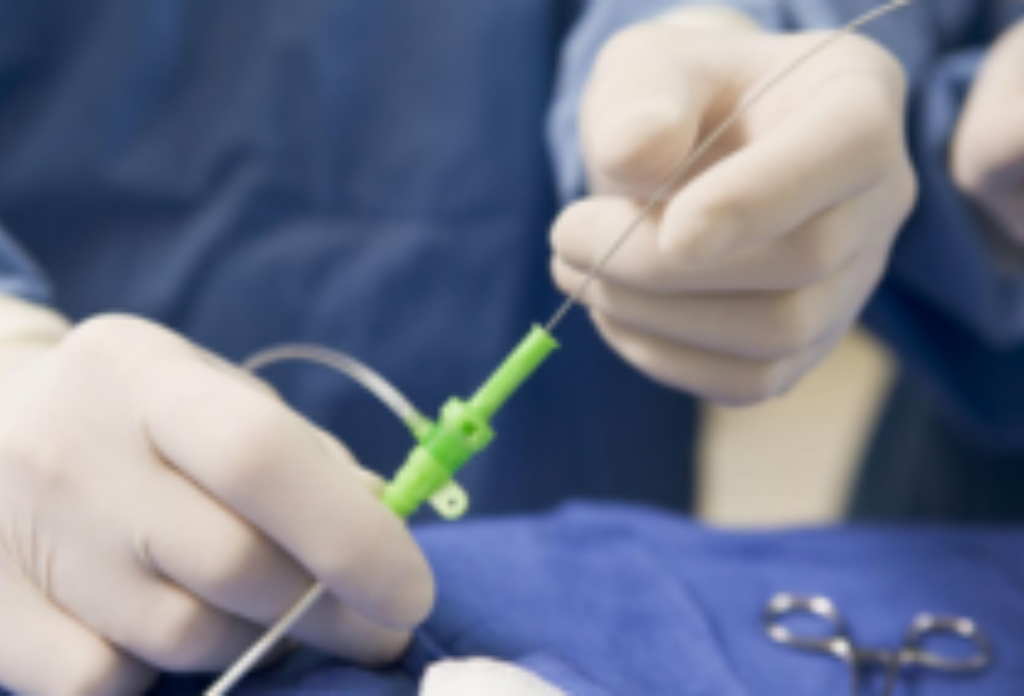
Closing the Loop Between In-Process and Offline Measurements of Flexible Medical Tubing Products for Compliance Validation
Demand for medical device consumables, such as tubing, is increasing, creating production challenges for manufacturers. One critical challenge is how to accurately measure flexible products for compliance validation without sacrificing production speeds.
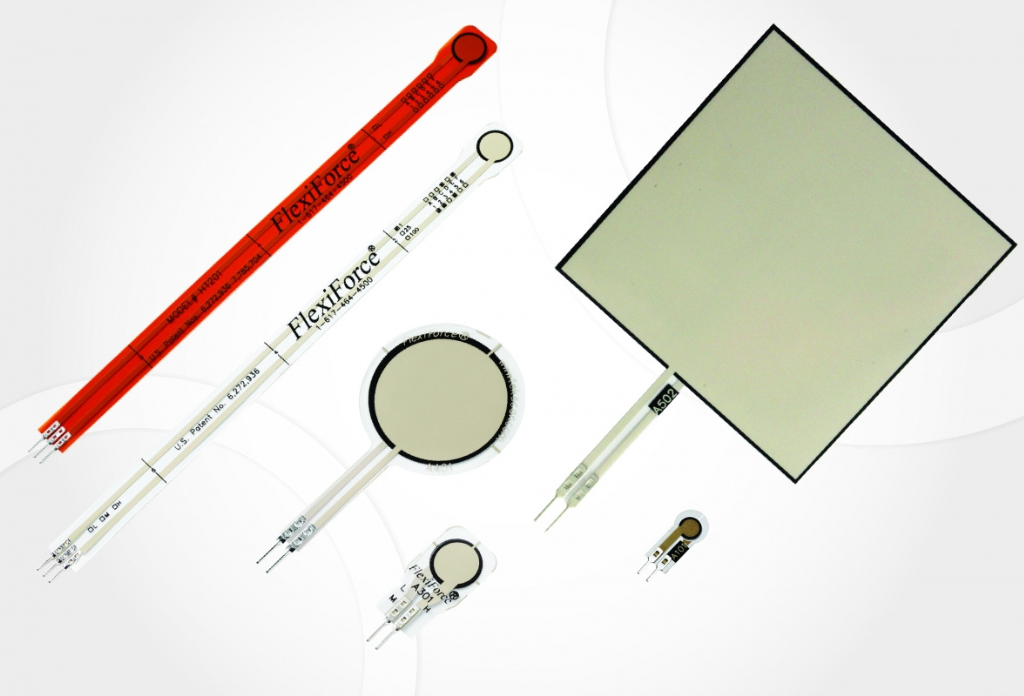

Improving Medical Devices with Force Sensing Technology
Design engineers integrate force sensors into medical devices to create smart tools that produce quantifiable data. Force feedback is an increasingly valuable feature in the medical device market, and a large array of products and applications use force feedback.



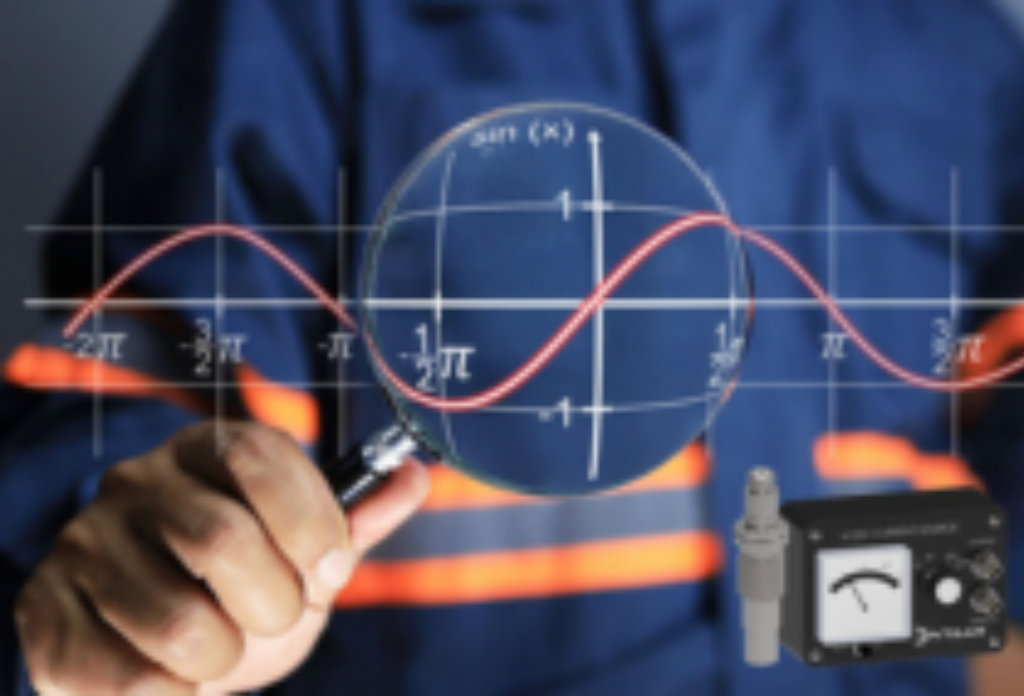

Selection of Amplifiers and Hardline Cables for High-Temperature Piezoelectric Sensor
High-temperature piezoelectric sensors are essential in harsh environments. They need a high-temperature charge-mode sensor, a remote charge amplifier, and a durable cable to capture vibration signals. As temperature increases, insulation resistance decreases. This requires careful selection of the charge amplifier and cable for accurate data.

Nuclear and Radiation Hardened Sensors
Sensors designed for nuclear environments must reliably operate and provide dependable measurements throughout their lifecycle. These sensors endure high radiation, extreme temperatures, and material degradation. It’s crucial for nuclear plant operators, whether human or automated, to base decisions on accurate measurements of vibration and pressure that reflect real conditions. Safety protocols often hinge on precise measurements reaching specific thresholds, making accuracy vital for safe operations.

Sensing Technology and Electrical Interface Selection for Areas with High EMI/RFI Intensity
The foundation of modern development relies on establishing baselines through initial measurements, with sensors crucial for tracking progress. Selecting suitable sensing technology is complex due to EMI/RFI interference affecting electrical signals. While digital technologies have safeguards, analogue signals are vulnerable, particularly in high switching current environments like electric vehicles. This paper examines how different sensing technologies respond to EMI/RFI, noting that installation and cable length can influence these effects. It will also compare the performance of various vibration sensor technologies.
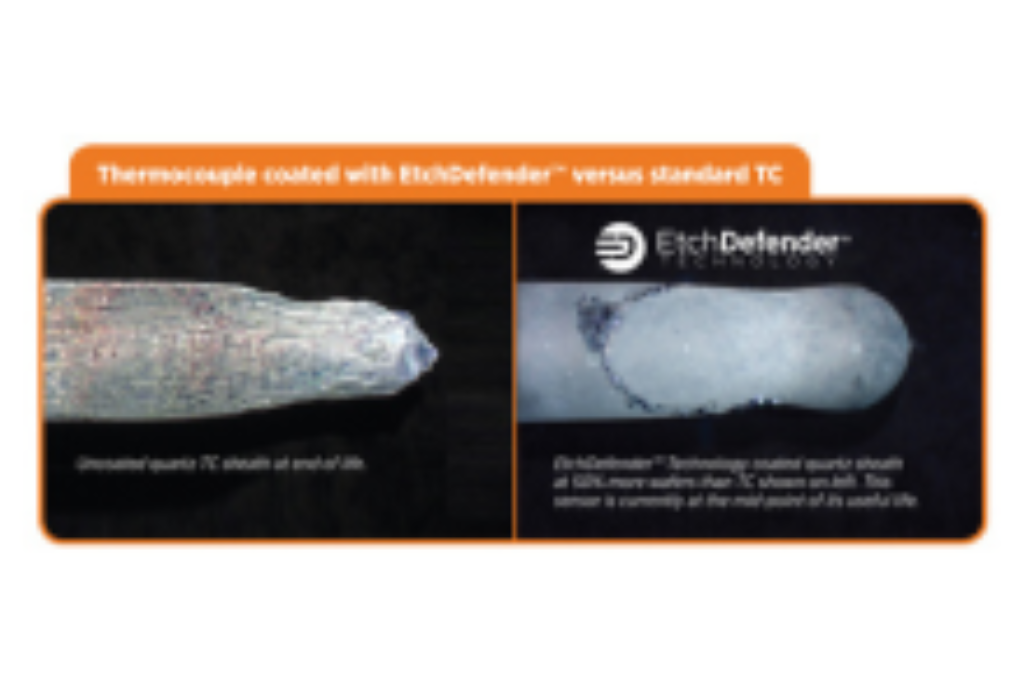
Technology That Extends The Life of Quartz Thermocouple Sheaths in ASM Epsilon® Reactors up to Three Times Longer
In many epitaxial processes, the deterioration and failure of the quartz sheath protecting thermocouples (TCs) dictate maintenance schedules and can lead to unscheduled maintenance. These premature TC failures cost valuable production time and impact the maintenance budget. To address this issue and extend the lifespan of TCs, Conax Technologies embarked on an 8-year project to develop an advanced TC sheath coating technology.
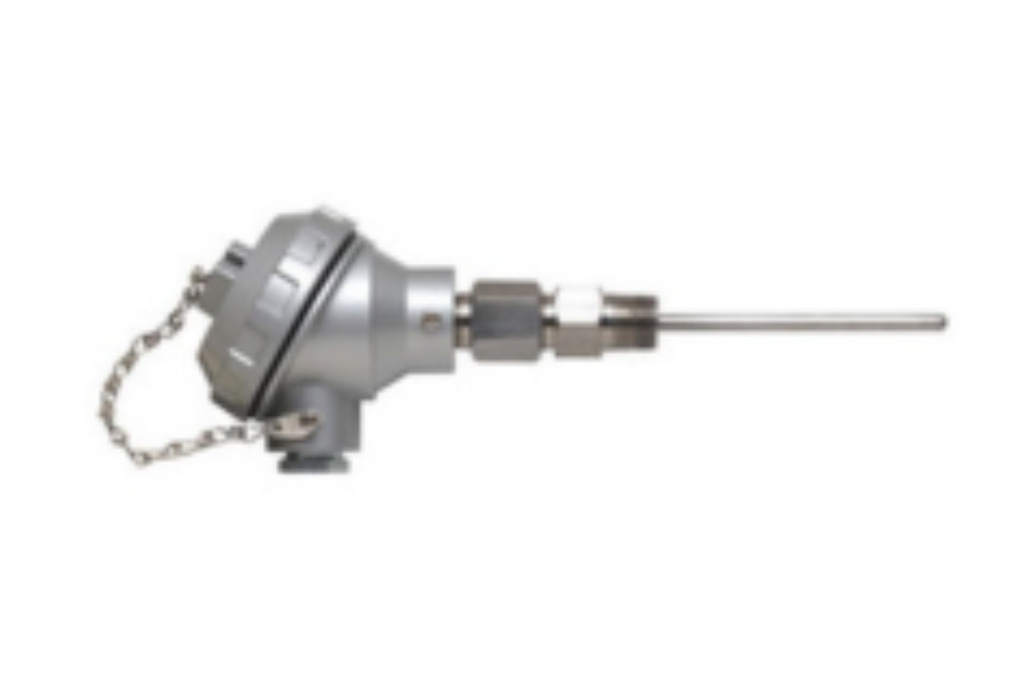
A Discussion of Unit Calibration vs. Bulk Wire Calibration of Type R and S Profile Thermocouples
When purchasing a thermocouple as a component of temperature control in an industrial process, one must determine whether they will use a standard wire curve to interpret the sensor output or if the process requires device-specific data from the thermocouple manufacturer. This paper describes two different approaches that are available for obtaining device-specific thermocouple data.
Surface Defect Detection in AI-Driven Cable Manufacturing
As AI infrastructure accelerates global data centre expansion, fibre optic and power cable producers must transition from manual and inference-based inspection to quantifiable, full-surface defect detection to control scrap, ensure compliance, and protect margin at scale.
