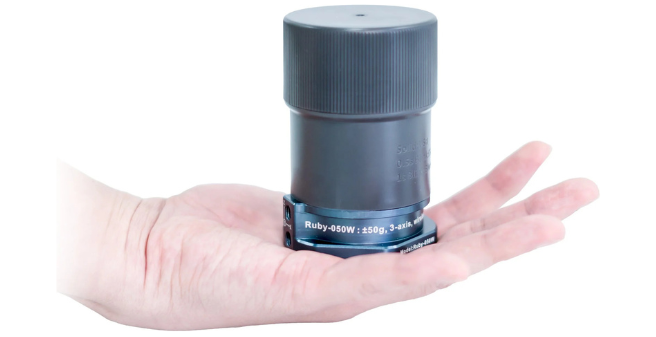
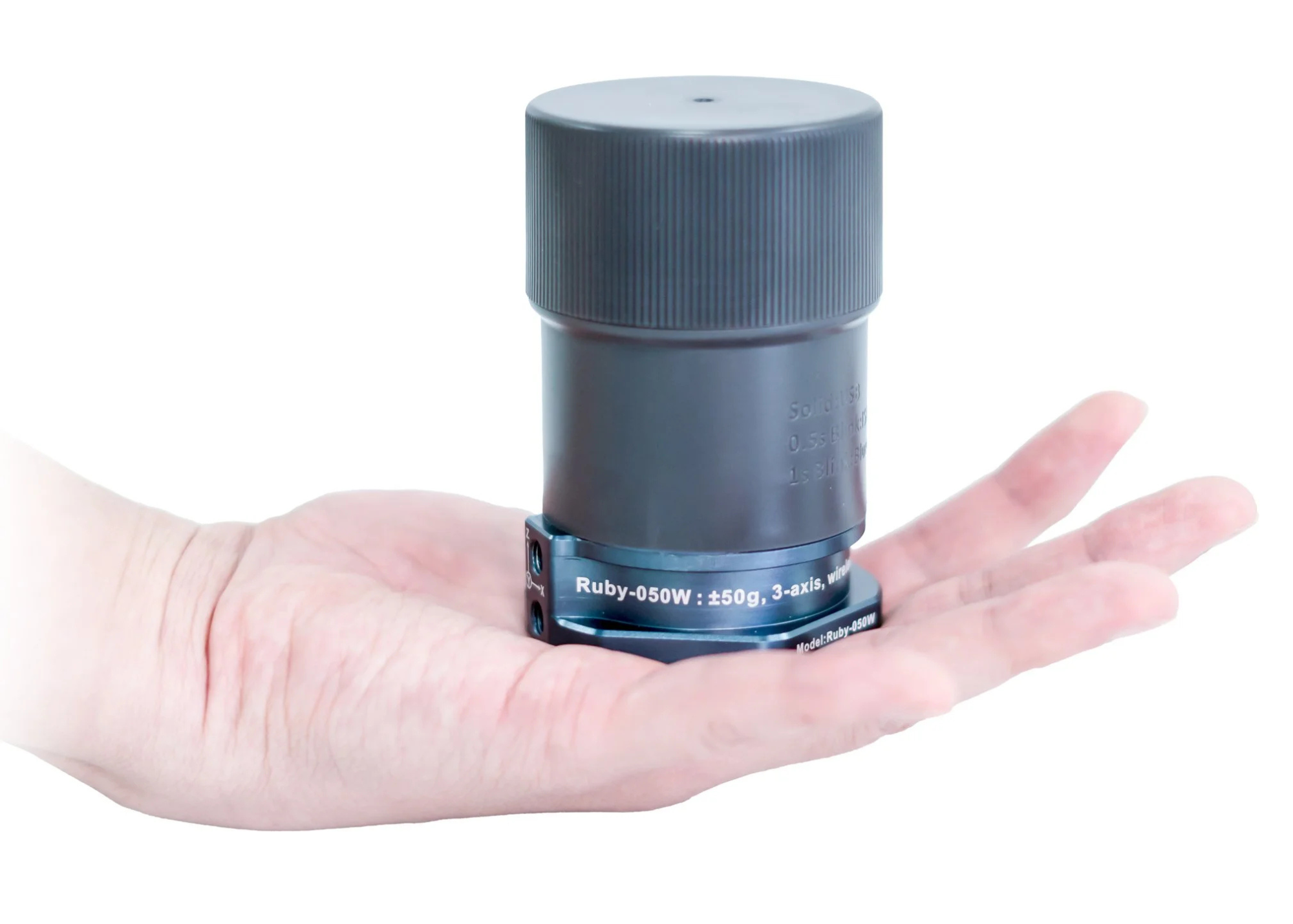
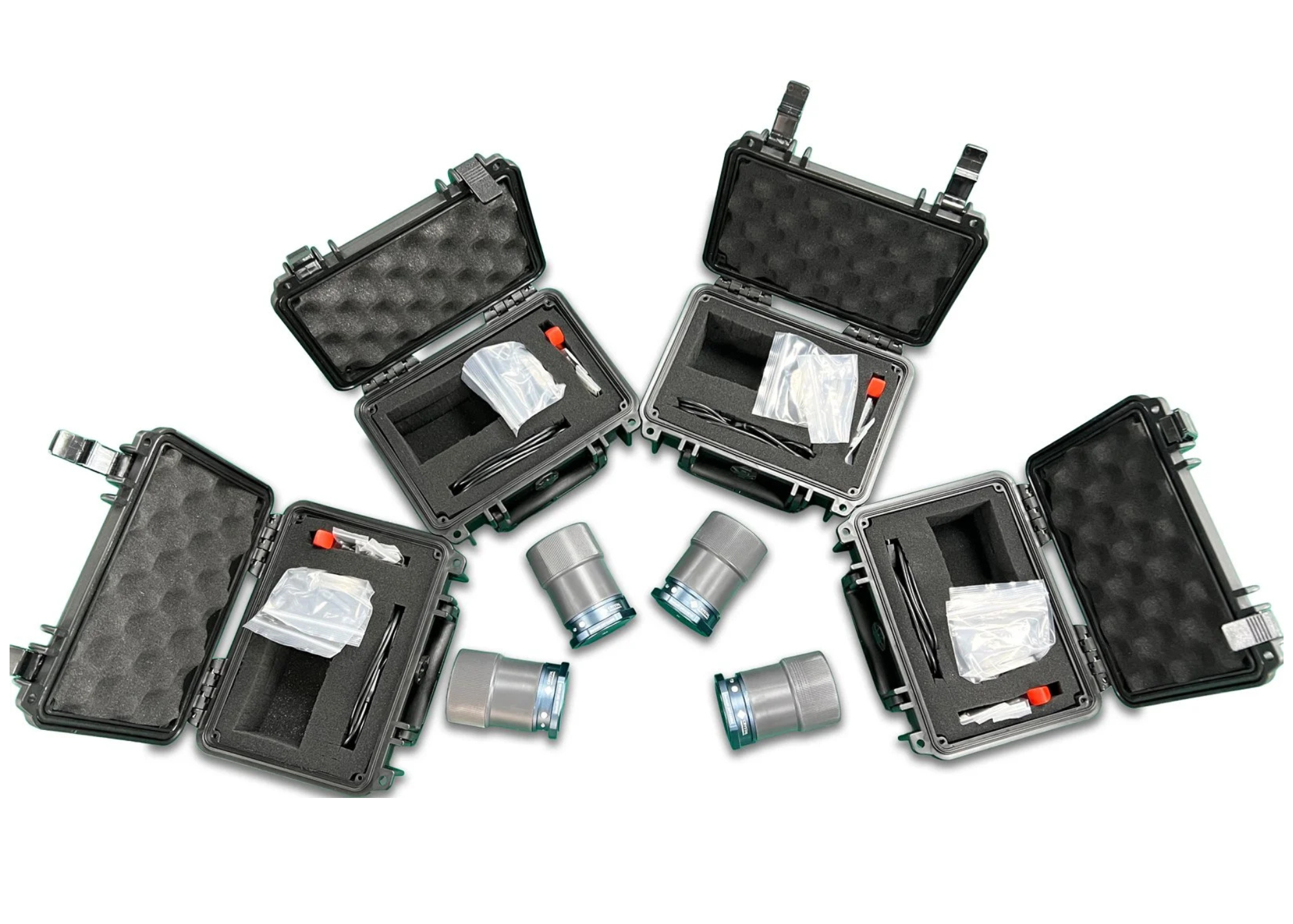
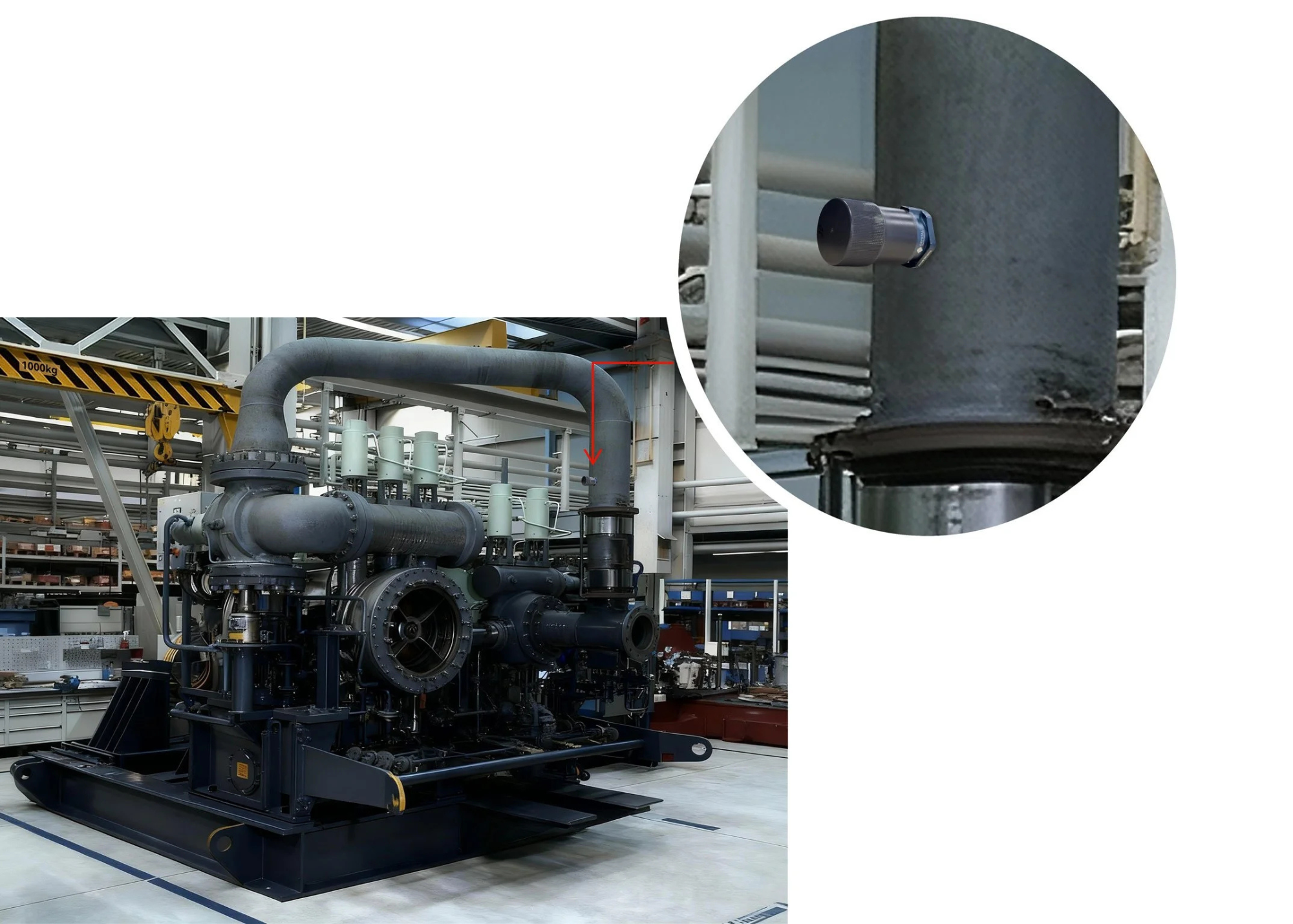
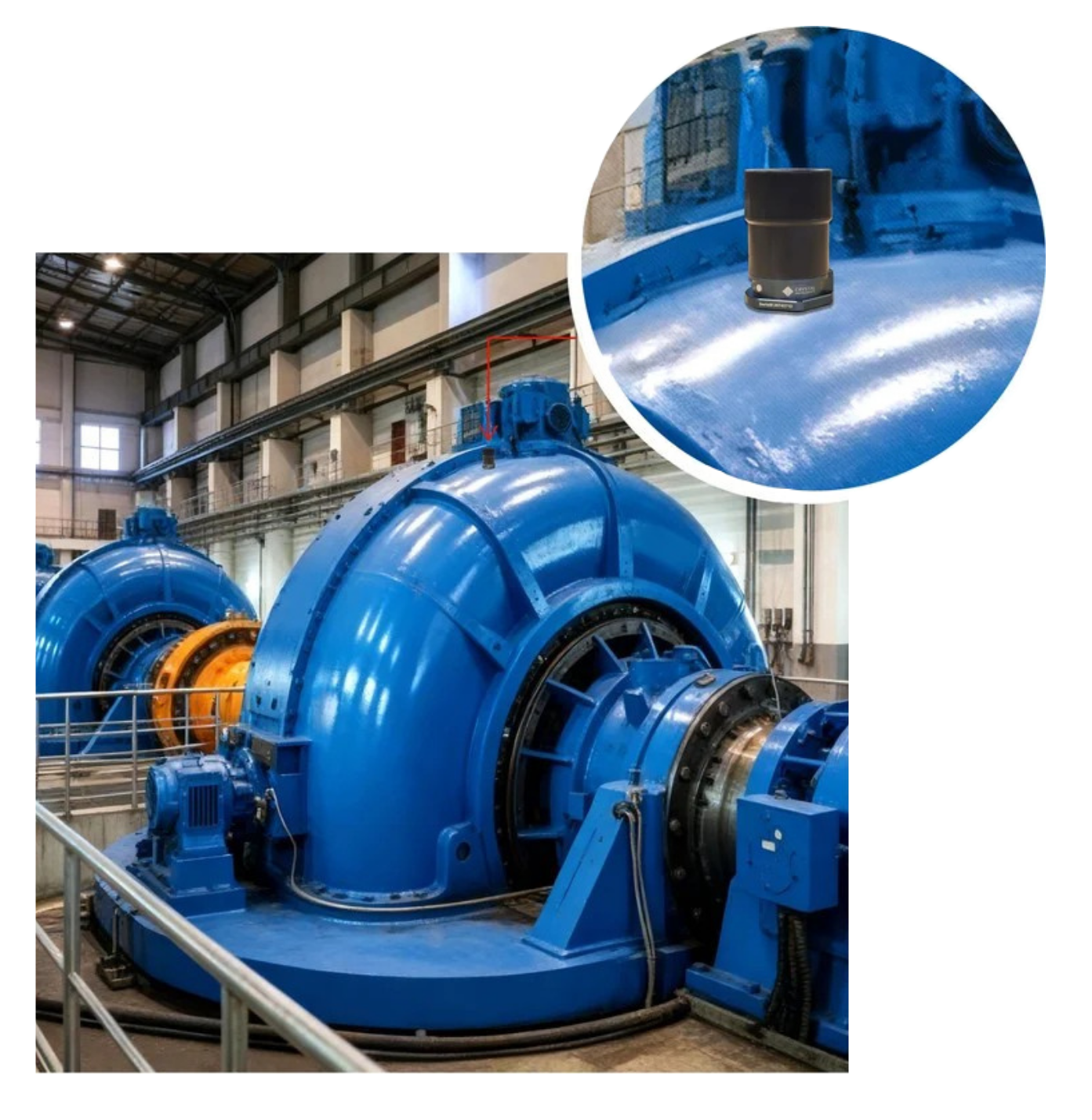
The Ruby wireless vibration sensor is a battery-powered, high-precision, low-noise ultra-compact device that measures vibration signals in acceleration quantity on mechanical structures.
Internally, it consists of a 3-axis sensor component, an ARM processor, a 24-bit ADC (Analogue to Digital Converter), flash memory storage and a battery.
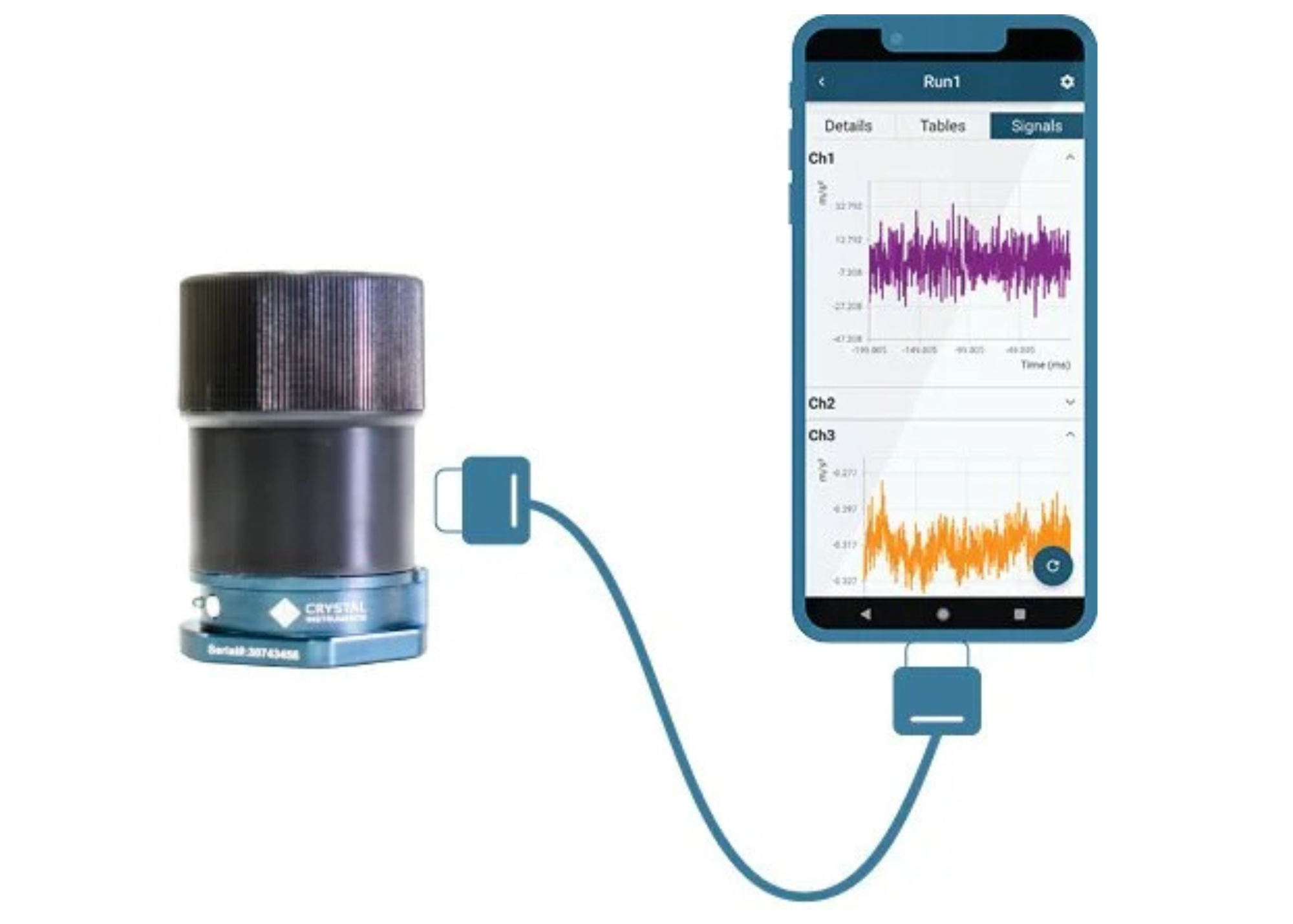
Its interface features an RF transceiver that supports the ISA-100 wireless protocol, Bluetooth connectivity, and a USB.
Reliable Data Transfer
The ISA-100.11a protocol is built on a mesh network, where small wireless nodes, known as motes, act as both sensors and data relays. These motes form a self-organising, multi-hop network, ensuring data is transmitted reliably, even in challenging industrial environments.
100’s of Wireless Sensors
In a common machine factory, a few hundred wireless sensors can be installed on different machines. Multiple access points, i.e., gateways, will be installed at optimum locations to cover all the wireless sensors in that area.
2-Year Battery Life
The wireless sensors will usually be in the deep sleep mode. A wireless sensor will consume current at a tens of µA level during sleep mode. This low-power consumption design allows the sensor to operate using a standard D-type battery for approximately 2 years.
Hardware
Software
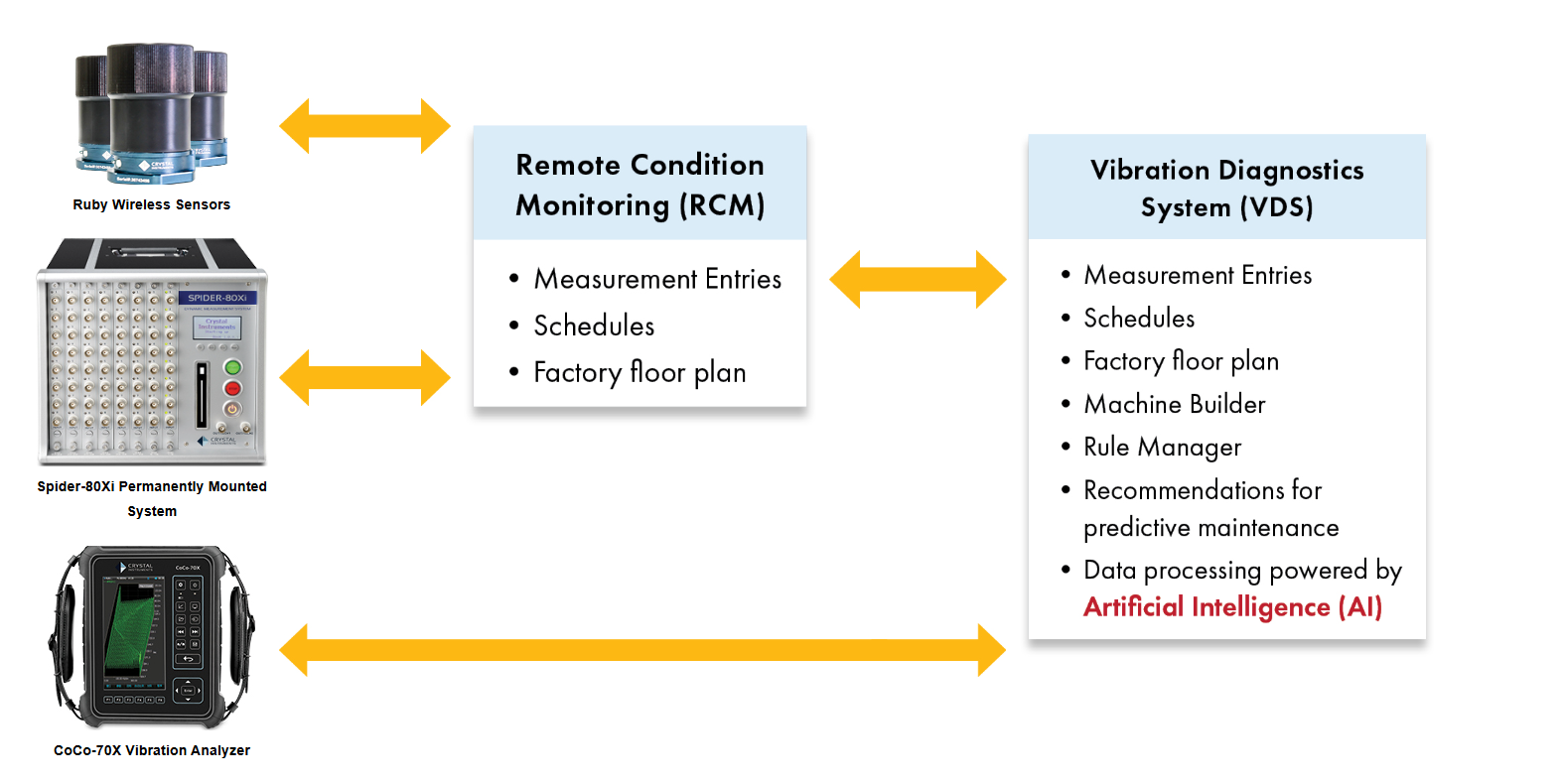
Three Hardware Platforms:
- CoCo-70X – waterproof & dustproof handheld vibration analyser
- Spider front-ends – permanently mounted systems equipped with patented high precision data acquisition technology
- Ruby – waterproof & dustproof wireless sensors
Machine Monitoring Software:
- RCM (remote condition monitoring) software is in charge of configuring the Ruby and Spider systems and acquiring data.
- VDS (vibration diagnostic system) software processes data using artificial intelligence and a rule-based expert system.
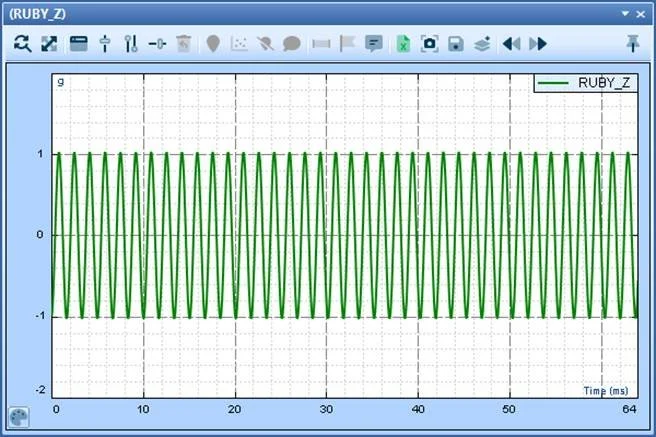
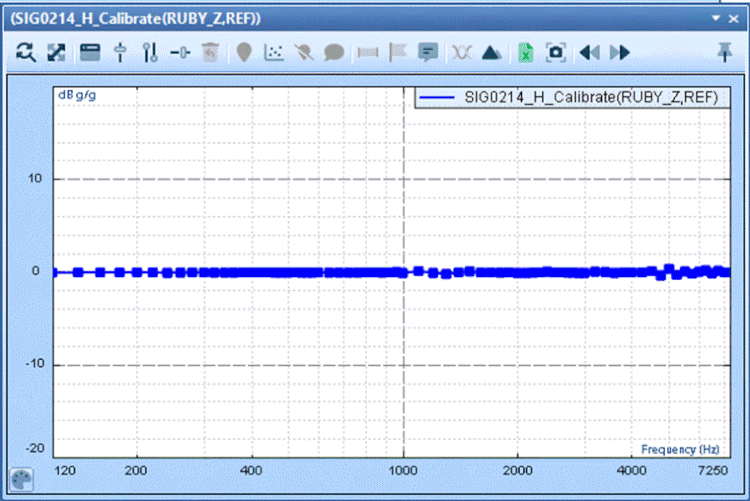
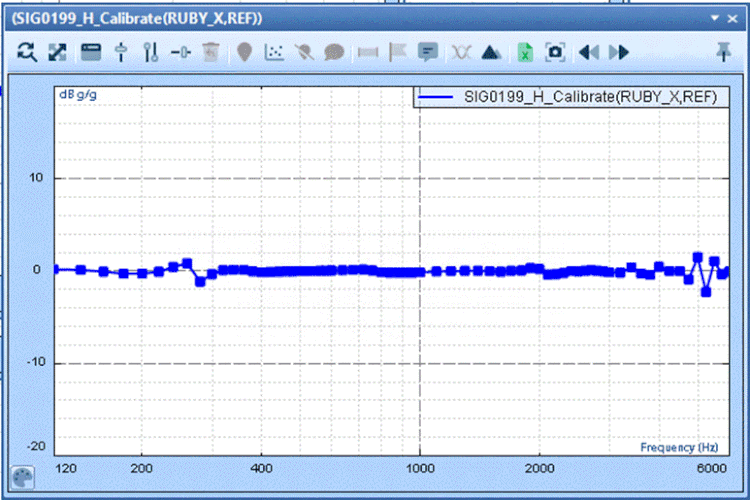
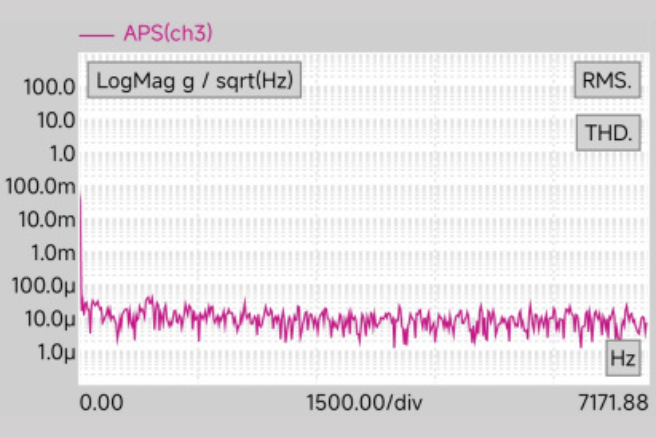
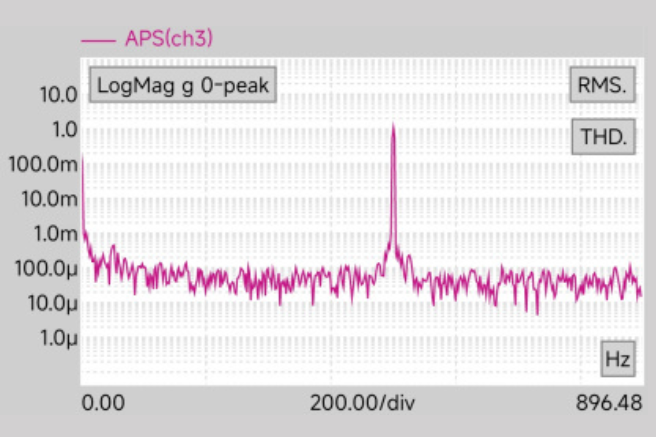
High Precision Measurement in 3-Axis
Ruby provides measurements in 3-axis as accurate as common charge vibration or piezoelectric sensor measurements. The frequency range goes up to 6.5 kHz while the tolerance is within +/- 1.0 dB.