
Tactile Grip Force and Pressure Sensing
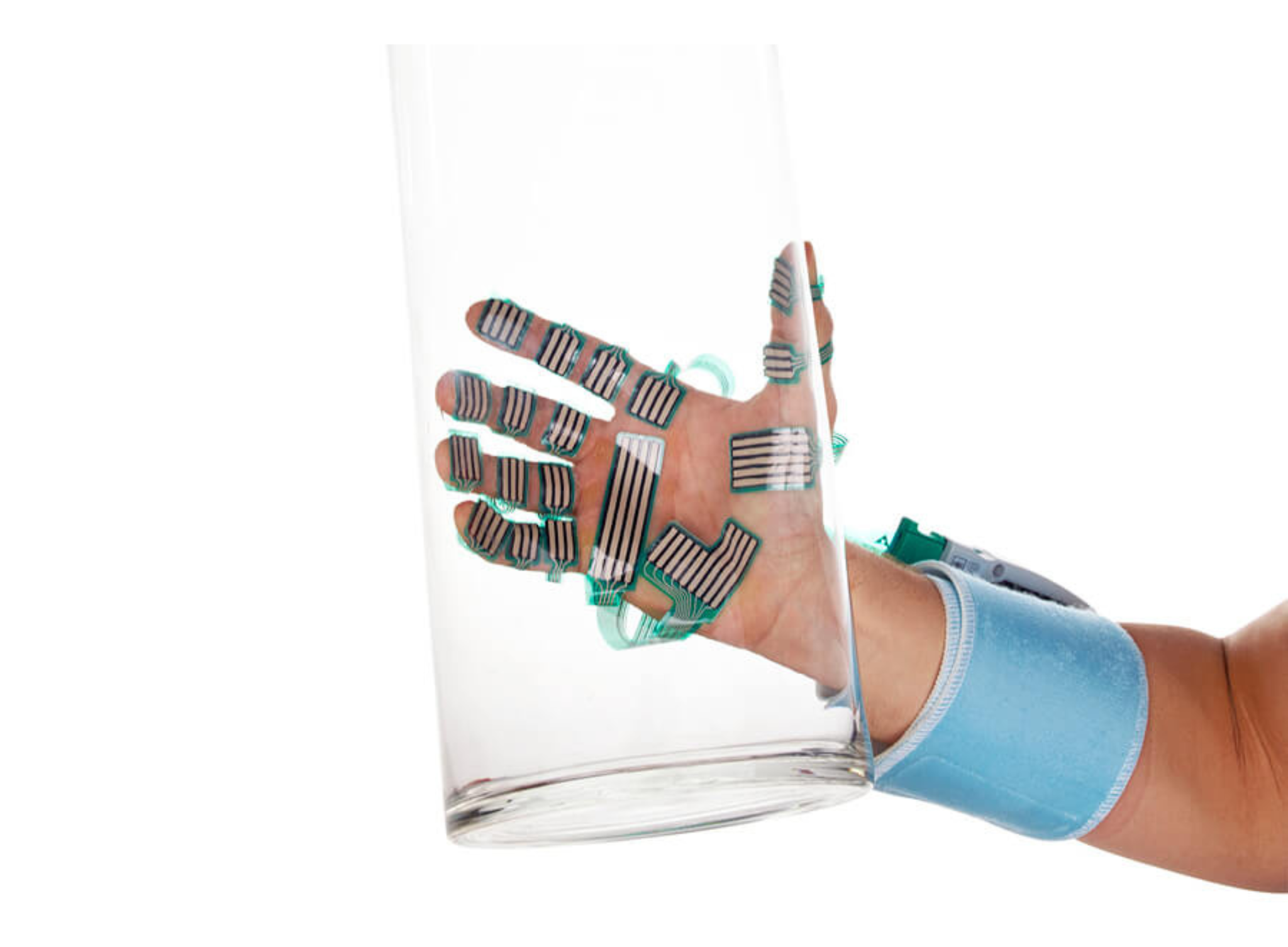
The Grip™ system measures and evaluates static and dynamic pressures from grasping objects. Grip measures interface pressure for human hand and finger gripping applications to assess comfort, design, and ergonomics.
The system is used to improve design for a more ergonomically sound product, study carpal tunnel and repetitive motion syndrome, or analyse the human hold on various tools and sports equipment.
Key Features
- Simultaneous measurement of left and right hands
- Numerous independent sensing elements for localised detection and sensing of pressure points
- One subject can grip several objects in many ways, once the hand is instrumented
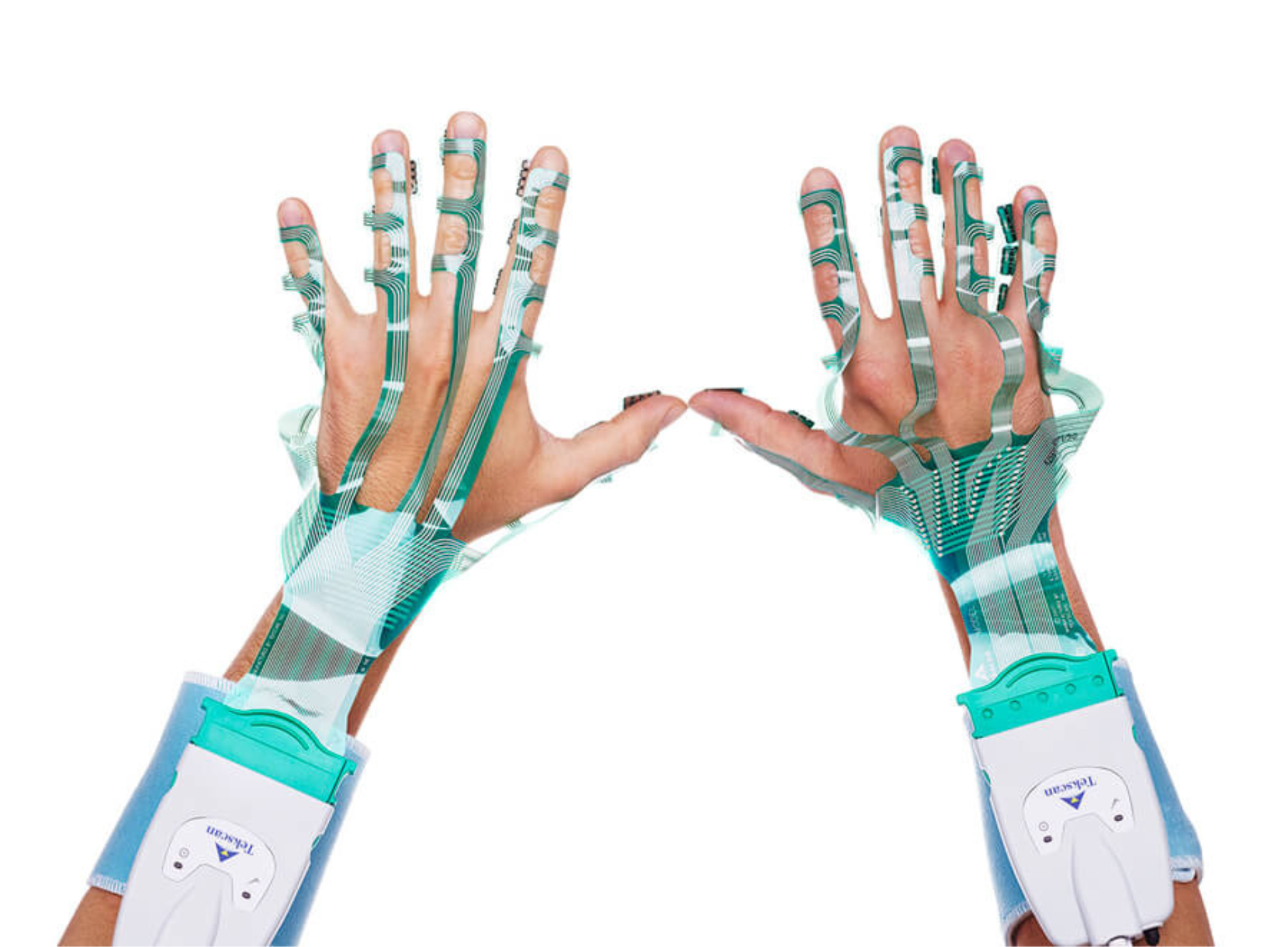
- High scanning rates of up to 750Hz (tethered version)
- Paper-thin sensor form factor allows for full range of hand motion
- One size fits all
- Durable and reusable sensor
Grip Sensor- 4256E
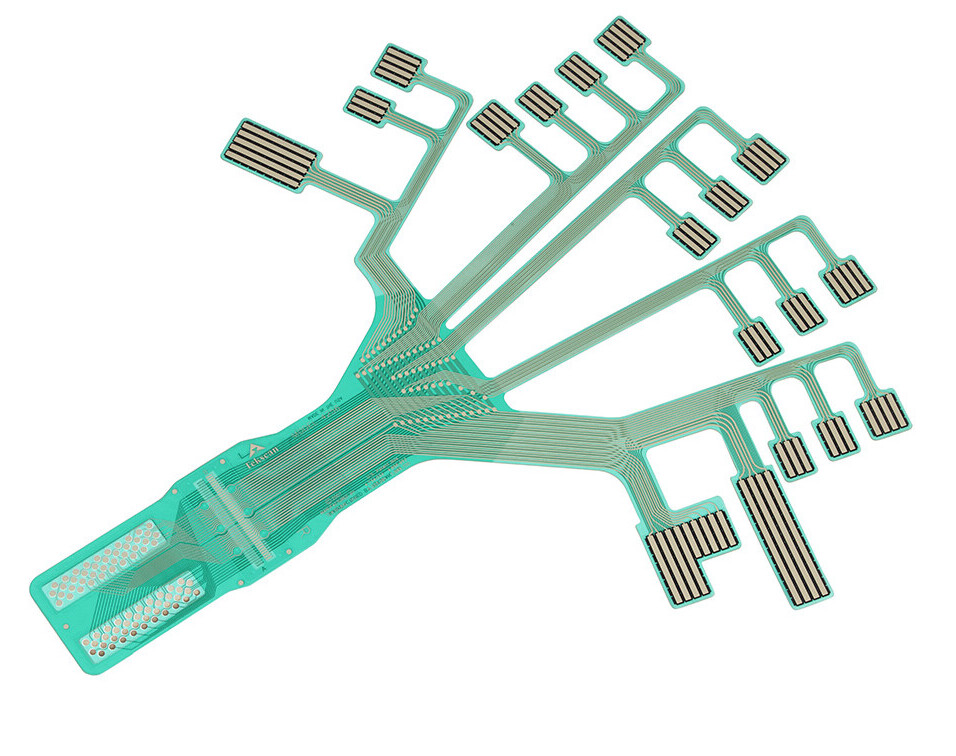
The Grip™ System uses a thin, high-resolution sensor that can be used directly on a hand or built into a glove. Each sensor has eighteen sensing regions that can be individually positioned over important anatomic sections of the fingers and palm. Gaps between the sensing areas allow the joints to be avoided, move freely and not interfere with grip measurement. Each sensing region has multiple sensing elements (Sensels™) for localised identification of pressure points on the hand.

Steering Wheel Ergonomics
Challenge: To quantify key grip and movement data that enhances the driver experience.
- Design to address important ergonomic needs
- Determine the ideal placement of accessory buttons
Solution: The grip pressure mapping system was used to identify and measure dynamic pressures and forces on the hands and fingers while gripping, lifting and turning the steering wheel.

Occupational Ergonomic Design
Challenge: To design a new floor polishing machine handle to reduce operator fatigue and discomfort.
- Addressing occupational risks, like carpal tunnel syndrome
Solution: The grip pressure mapping system was used to quantify forces and pressures felt across a subject’s hand while operating the equipment.
Medical Device Usability Studies
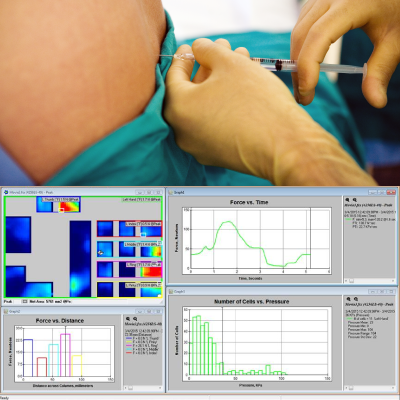
Challenge: To improve the design of a handheld injector with a better ergonomic grip force.
- Also, to benchmark against competitive designs
Solution: The Grip pressure mapping system was used to optimise syringe design and address usability needs.
