
Acoustics
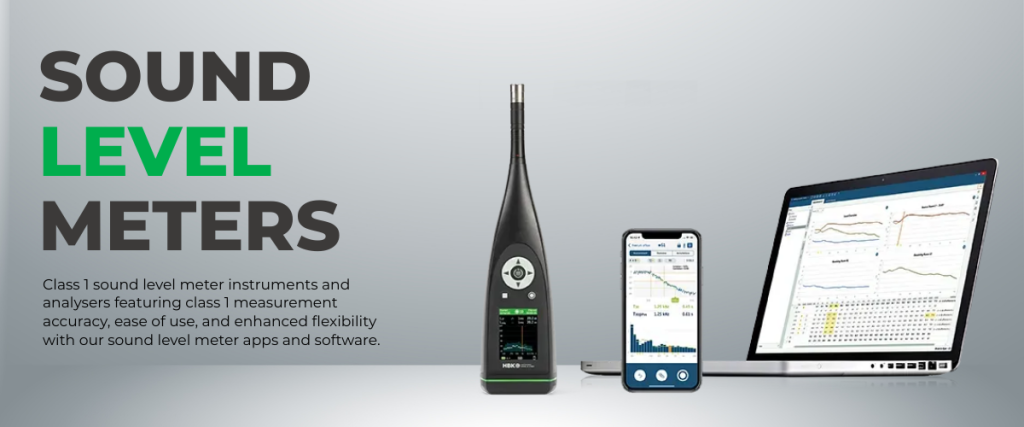
Techni Measure offers our clients sound level meters from HBK, a trusted supplier. Our Class 1 sound level meter instruments and analysers offer accurate measurements, user-friendly operation, and increased flexibility through sound level meter apps and software. Techni Measure offers two types of sound level meters, HBK 2255 & HBK 2245.
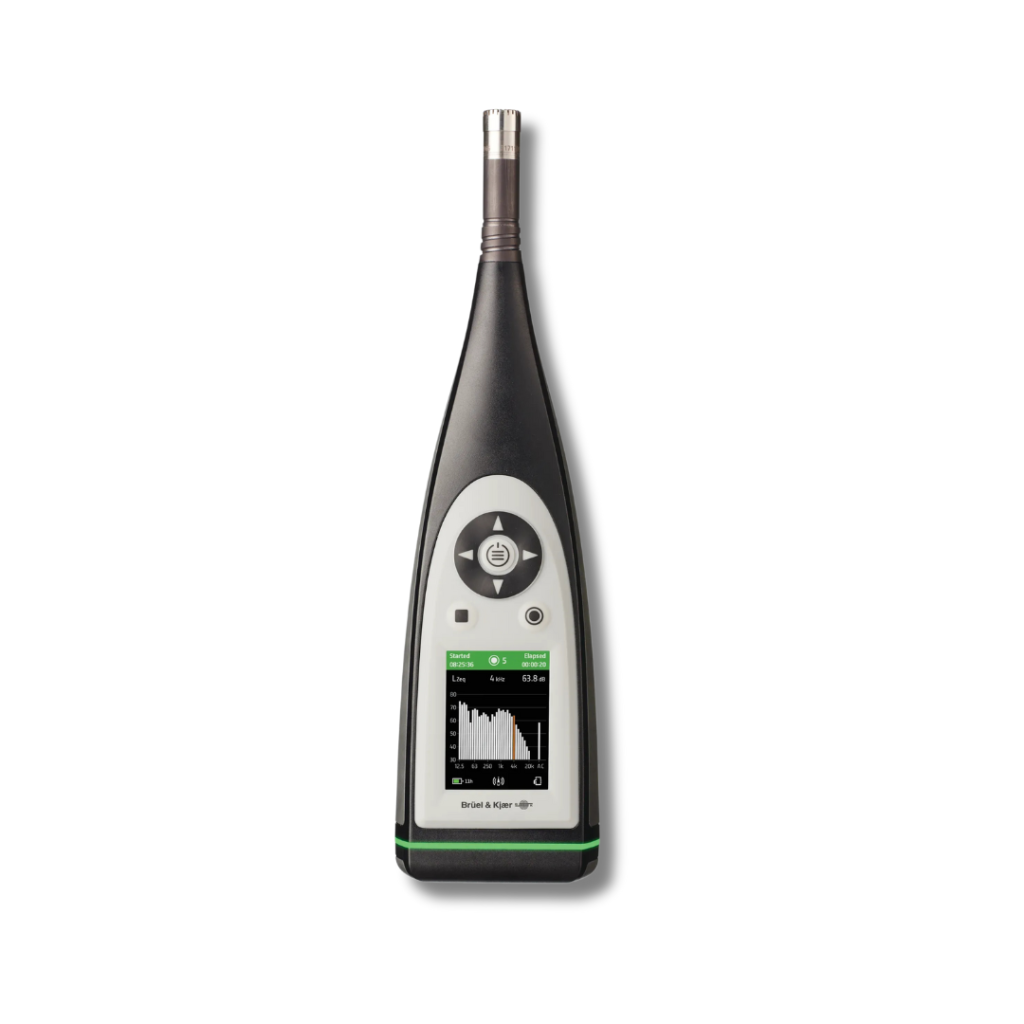
HBK 2245
HBK 2245 sound level meter is a task-tailored, class 1 measurement solution. The sound level meter is available in 5 versions, each designed with specific features for measuring and controlling exhaust noise, environmental noise, workplace noise, product noise, plus a core version, 2245-N to support a more general measuring need.
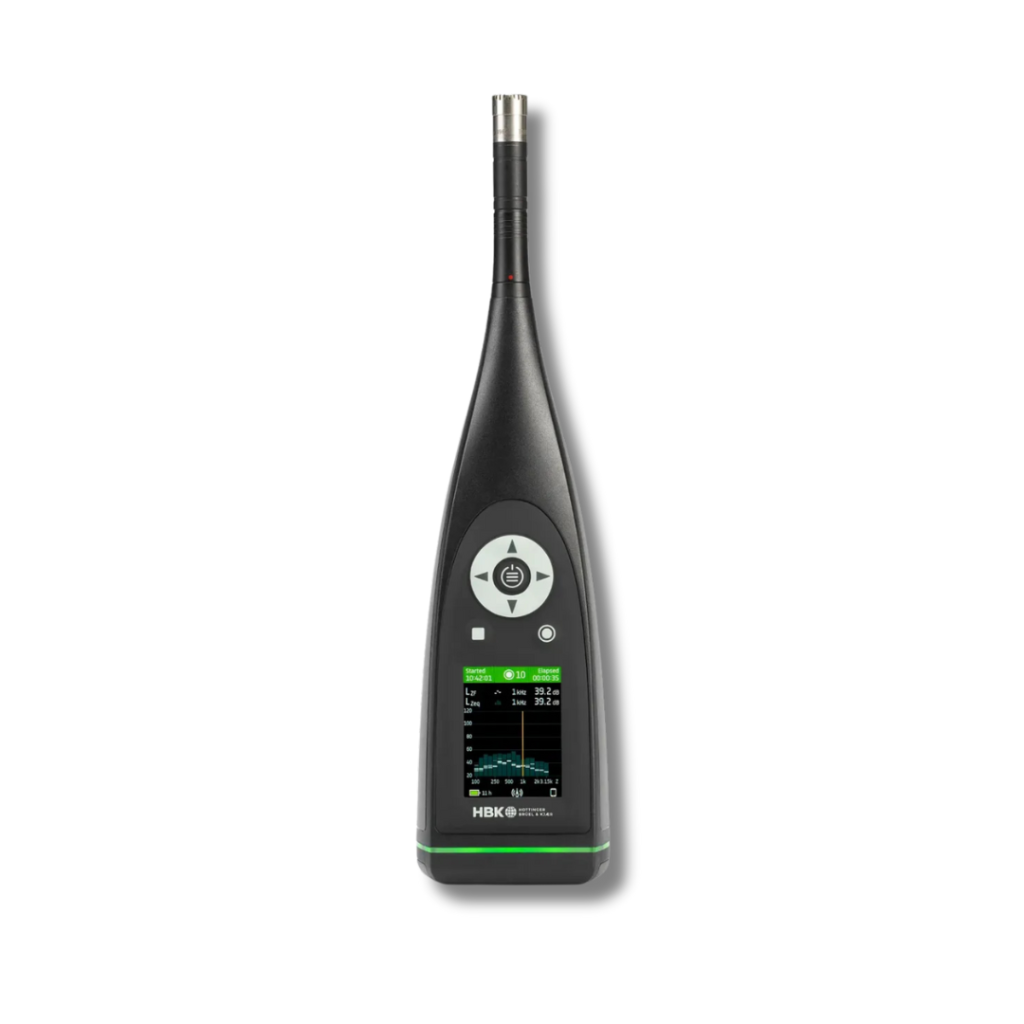
HBK 2255
HBK 2255 sound level meter is an advanced, single-channel, class 1 measurement solution. Designed for users with varied and complex workloads. Available in different versions, each designed with specific features for measuring and controlling building acoustics, environmental noise, workplace noise, plus other advanced functionalities.
How does a Sound Level Meter work?
At its very core, a sound level meter basically consists of a microphone, a preamplifier, a signal processing unit, and a display.
The most suitable type of microphone for a sound level meter is a condenser microphone, which combines precision with measurement reliability. The microphone converts the sound signal to an equivalent electrical signal. The electrical signal produced by the microphone is at a very low level and must be enhanced by a preamplifier before reaching the main processor.
Signal processing applies frequency weightings and time weightings to the signal, as specified by international standards such as IEC 61672-1, which a sound level meter complies with.
Measurement Applications
Sound level meters and analysers are used to measure and manage noise from a variety of sources. They are often employed in environmental noise assessment from sound sources, such as industrial plants, road and rail traffic, and construction work.
In urban environments, noise pollution or excessive noise exposure directly affects the people who live and work in the affected areas. To ensure noise regulations are followed, noise is measured from a variety of sources as sports events, outdoor concerts, parks and residential or commercial neighbours. Each sound/noise source is defined by its own set of characteristics, which can pose challenges for the professionals assessing them.
- Room and building acoustics
- Sound power and noise source identification
- Assessing workplace noise and OHS evaluations
- Environmental noise measurements
 D5 Creation